
PCOD and PCOS is a common female endocrine disorder that causes a hormonal imbalance, resulting in irregular periods, weight gain, and problems with fertility and ovulation. In today’s world, lifestyle-related problems are very common, and one of them is PCOD and PCOS. These problems mainly happen due to hormonal imbalance. To manage this condition, we need to focus on two things: first, a healthy diet, and second, balancing the hormones. Doctors may prescribe medicines for treatment, but before that, they usually advise lifestyle changes. This includes improving your eating habits and adding some physical activities. Some research suggests that a regular practice of yoga may be an effective way to manage PCOS and PCOS symptoms. So, in this blog, we will talk about 5 effective yoga poses for PCOD and PCOS. Let’s find out!
How Yoga Helps Manage PCOD and PCOS Symptoms
Yoga cannot completely cure PCOD or PCOS, but it can significantly help in managing symptoms and improving quality of life. Regular yoga practice works on both the body and mind, which is very important for hormonal health. Here are some key benefits of yoga for PCOD and PCOS:
Reduces Stress and Anxiety: Stress increases cortisol levels, which can worsen hormonal imbalance. Yoga helps calm the nervous system and reduce stress.
Improves Hormonal Balance: Certain yoga poses stimulate endocrine glands and support better hormone regulation.
Aids Weight Management: Yoga improves metabolism and helps maintain a healthy body weight, which is crucial for PCOD and PCOS management.
Enhances Fertility and Reproductive Health: Yoga improves blood circulation to the pelvic region, supporting ovarian and uterine health.
Boosts Insulin Sensitivity: Regular practice may help improve insulin resistance, a common issue in PCOS.
Promotes Better Digestion and Detoxification: Twisting and stretching poses support digestive health and detox processes.
Let’s discover 5 effective yoga for PCOD and PCOS
Today we will discuss some of the best yoga poses that can help in managing PCOD and PCOS.
1.Butterfly Pose (Bhadrasana) :Begin seated with your both legs extended out in front of you .Then bend your knees and bring the soles of feet together, allowing your knees to drop out on the respective side. Next ,hold on to your ankles with your hands pull your legs as closer to your body as possible and press your knees down towards the floor. Hold for sometimes and then release. Finally, do this for a few rounds.
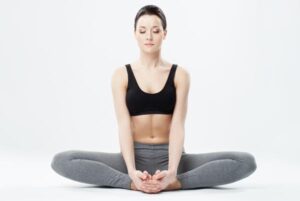
Benefits : Butterfly Pose, helps to stretch and open hips and groins. This can be helpful for the women’s suffering from PCOD. In addition, it improves the circulation to the pelvic area. Which can help regulate the menstrual cycle .It also reduces stress and tension in the body.
2. Couch Pose (Paryankasana): First Sit down in vajrasana. Spread your feet apart keep trying your knees together. after that, sit on the mat in the space creating between your feet. Gradually, lean backward with the help of your elbows and forearms. To lie supine interlace your fingers and hold your hands over your abdomen. maintain this posture with normal rhythmic breathing till comfortable. but not more than 2 minutes.
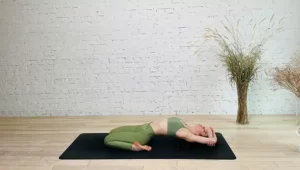
Benefits: Couch Pose, helps to regulate the thyroid glands and balances hormones. In addition, it relieves stress and anxiety. stress and anxiety worsen the condition of PCOD.
3. Seated Forward Bend (Paschimottanasana): Sit on the floor with legs extended in front of you lean backward keeping both your palms facing downwards and besides chest. Hands folded at the elbow. Slowly bend forward stretching your hands to hold your toe. Trying to touch your head to the knee. Without bending your knee. Here, you can even try to lower your elbows to touch the floor if possible. Remain in this position for a few seconds and then return to the starting position.
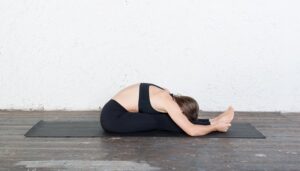 Benefits: Seated Forward Bend, stretches your spine. Hamstring and lower back which can reduce back pain and discomfort. that may come with PCOD. It helps to stimulate the ovaries and improve hormonal balance.
4. Half Lord of Fishes Pose (Ardha Matsyendrasana):Sit on the floor with both legs extended in front of you. Next, fold your right leg inward and press the heel against the perineum. Then, bend your right knee, cross it over your left thigh, and place the foot outside the left thigh. After that, bring your right knee close to your chest. Now, bend your left leg inward and place the foot near your right hip. Slowly, twist your torso to the right. Meanwhile, let your left hand hold your right ankle or toe. To deepen the twist, place your right hand across your back with the palm facing outward. At the same time, turn your head and neck toward the right shoulder. Hold this posture for a few seconds. Finally, return to the starting position.
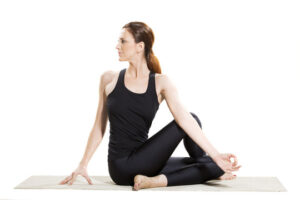
Benefits: Half Lord of Fishes Pose, Stimulates liver and kidney. Which can help detoxify body. And improve liver function. Which is important for hormonal balance. It stretches the shoulder hips and spin. Which can alleviate tension and discomfort in those areas.
5. Child’s Pose: Sitting vajrasana, slowly bend forward, keeping your hands by your side palms facing up. rest your head on the floor. If possible for few seconds and then return to the starting position.
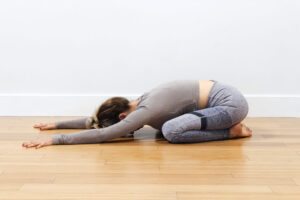
Benefits: Child’s pose calms the mind. Releases stress and anxiety. It helps to improve blood flow to reproductive organs. which can improve overall reproductive health.
Important Tips Before Practicing Yoga for PCOD and PCOS
Before starting yoga for PCOD and PCOS, it is important to keep a few things in mind to get the best results and avoid discomfort:
- Always practice yoga on an empty stomach or at least 3–4 hours after meals.
- Wear comfortable clothing that allows free movement.
- Start slowly and do not force any posture. Listen to your body.
- Focus on slow, deep breathing during each pose.
- Consistency is more important than intensity. Daily practice gives better results than occasional practice.
Best Time to Practice Yoga for PCOD and PCOS
The best time to practice yoga is early morning, preferably during sunrise, when the body and mind are fresh. Morning yoga helps regulate hormones, improve metabolism, and reduce stress throughout the day. If morning practice is not possible, you can also practice yoga in the evening, but make sure there is a gap of at least 3–4 hours after your last meal. Evening yoga should focus more on relaxation and stress relief.

How Long Does It Take to See Results?
Yoga is a natural and gradual process. Some women may start noticing improvements in stress levels, digestion, and sleep within a few weeks. Hormonal balance, regular menstrual cycles, and weight management may take a few months of consistent practice.
Practicing yoga for at least 30–45 minutes a day, along with a healthy diet and lifestyle, can show visible improvements within 2–3 months.
Yoga and Diet: A Powerful Combination for PCOD and PCOS
Yoga works best when combined with a healthy, balanced diet. Include fiber-rich foods, whole grains, fruits, vegetables, healthy fats, and lean proteins in your meals. Avoid excessive sugar, refined carbs, junk food, and sugary drinks, as they can worsen insulin resistance and hormonal imbalance. Drinking enough water and maintaining gut health also play an important role in managing PCOD and PCOS symptoms.
Final Thoughts:
These 5 effective yoga poses are beneficial for woman for PCOD and PCOS. Because they help to regulate hormones, improve digestion and circulation alleviate pain and discomfort and reduces stress and anxiety. Regular practice of yoga can help reduce the symptoms of PCOD and PCOS. But remember, yoga is only a part of the overall treatment plan for PCOD and PCOS. You also need to follow a balanced diet and your doctor’s advice.